Overview of Sacraments
"The whole liturgical life of the Church revolves around the Eucharistic sacrifice and the sacraments." -CCC 1113
The GREAT SACRAMENTS OF THE CATHOLIC CHURCH
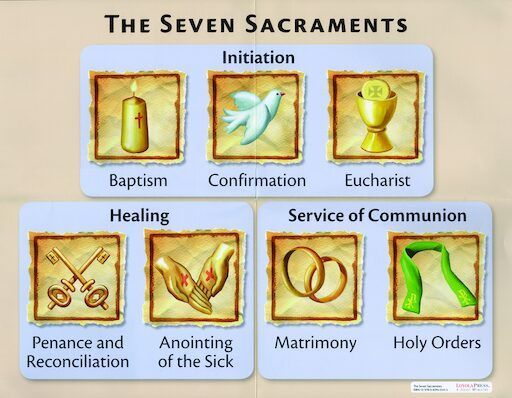
Jesus Christ established the sacraments of the new law. There are seven: Baptism, Confirmation (or Chrismation), the Eucharist, Penance, the Anointing of the Sick, Holy Orders, and Matrimony. The seven sacraments encompass all stages and significant moments of Christian life: they introduce, nurture, heal, and send forth believers in their faith journey.
THE SACRAMENTS OF CHRISTIAN INITIATION
The sacraments of Christian initiation—Baptism, Confirmation, and the Eucharist—lay the foundation for every Christian life. "The sharing in the divine nature given to men through the grace of Christ bears a certain likeness to the origin, development, and nourishment of natural life. The faithful are born anew by Baptism, strengthened by the sacrament of Confirmation, and receive in the Eucharist the food of eternal life. By means of these sacraments of Christian initiation, they thus receive more and more of the treasures of divine life and progress toward the perfection of charity.”
Baptism: Jesus said, “Go therefore and make disciples of all nations, baptizing them in the name of the Father and of the Son and of the Holy Spirit, teaching them to observe all that I have commanded you” (Mt 28:19-20).
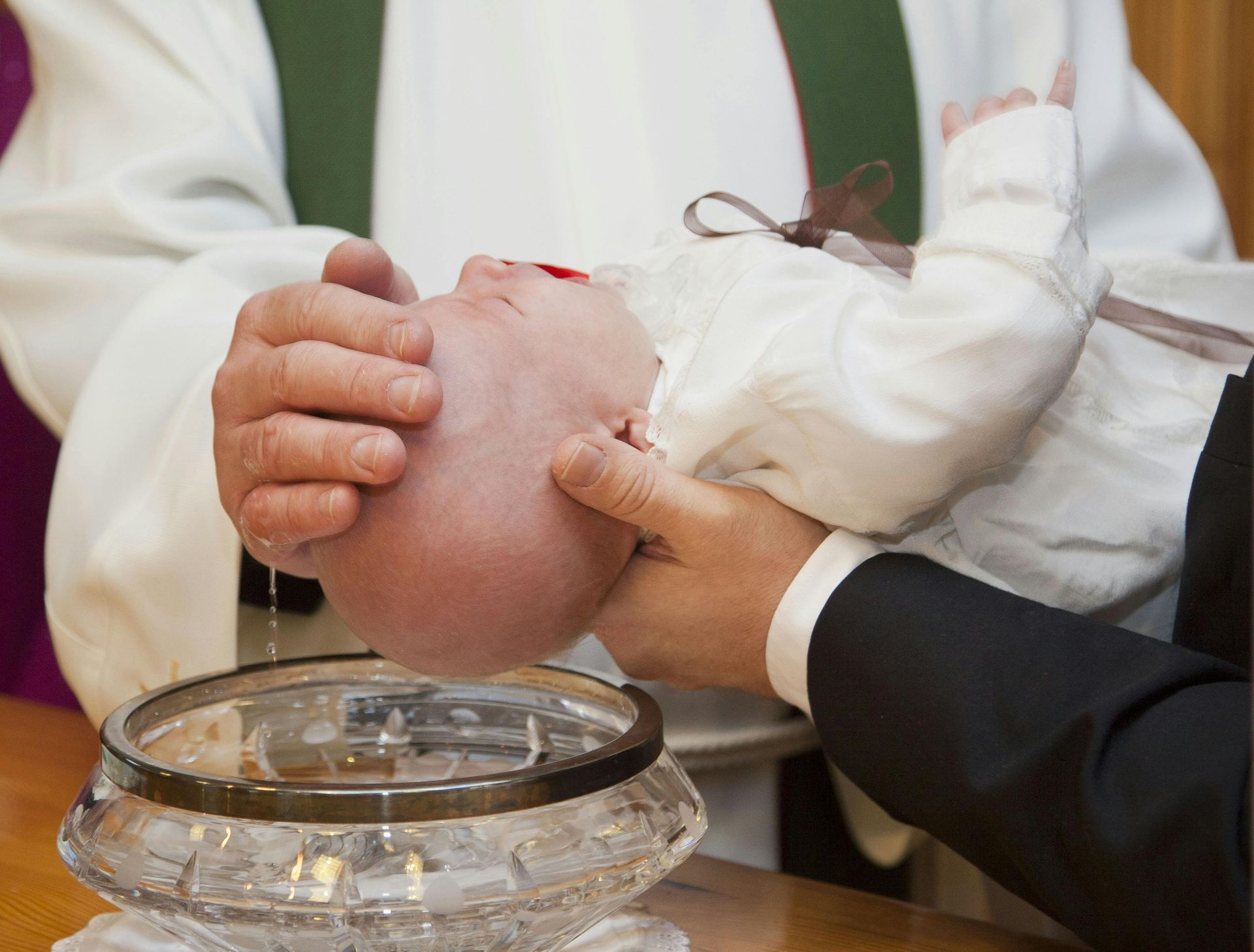
Baptism signifies being born into a new life in Christ. In accordance with the Lord's will, it is essential for salvation, just as the Church itself is, which we enter through Baptism. It is the gateway to life in the Spirit and the door that grants access to the other sacraments. Through baptism, we are freed from sin and reborn as sons and daughters of God; we become members of Christ, are incorporated into the Church, and share in her mission. “Baptism is the sacrament of regeneration through water in the word.” Baptism leaves an indelible spiritual mark on the soul, called the character, which consecrates the baptized person for Christian worship. Because of this character, baptism cannot be repeated.
Confirmation: “Now when the apostles at Jerusalem heard that Samaria had received the word of God, they sent to them Peter and John, who came down and prayed for them that they might receive the Holy Spirit; for it had not yet fallen on any of them, but they had only been baptized in the name of the Lord Jesus. Then they laid their hands on them, and they received the Holy Spirit” (Acts 8:14-17).
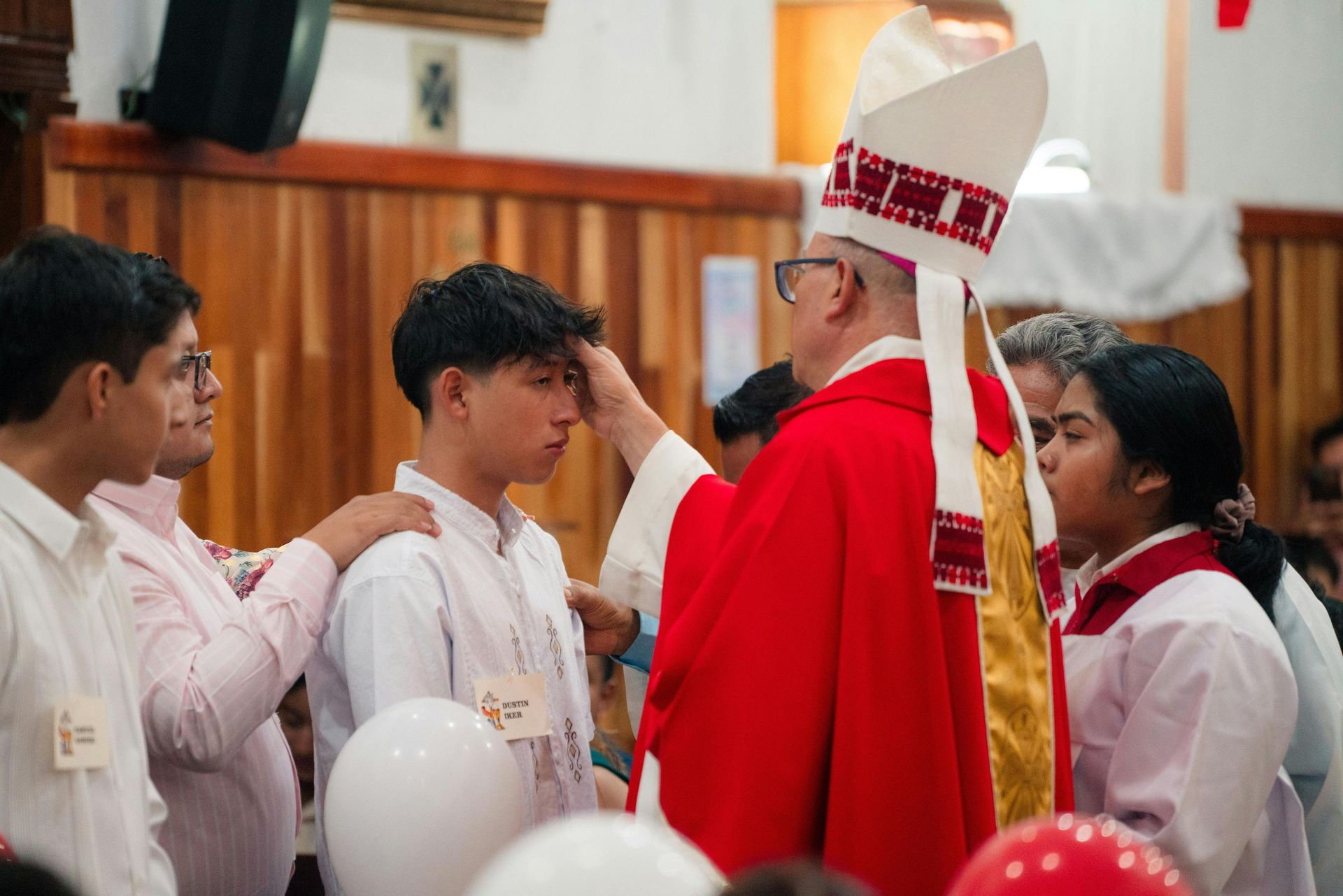
perfects Baptismal grace; it is the sacrament that gives the Holy Spirit to help us grow deeper in divine filiation, unite us more firmly with Christ, strengthen our bond with the Church, connect us more closely to her mission, and assist us in bearing witness to the Christian faith through words and actions. Confirmation, like Baptism, imprints a spiritual mark or an indelible character on the Christian's soul; therefore, it can only be received once in a lifetime.
Eucharist: Jesus said, “I am the living bread that came down from heaven; if anyone eats of this bread, he will live forever. . . he who eats my flesh and drinks my blood has eternal life and . . . abides in me, and I in him” (Jn 6:51, 54, 56).
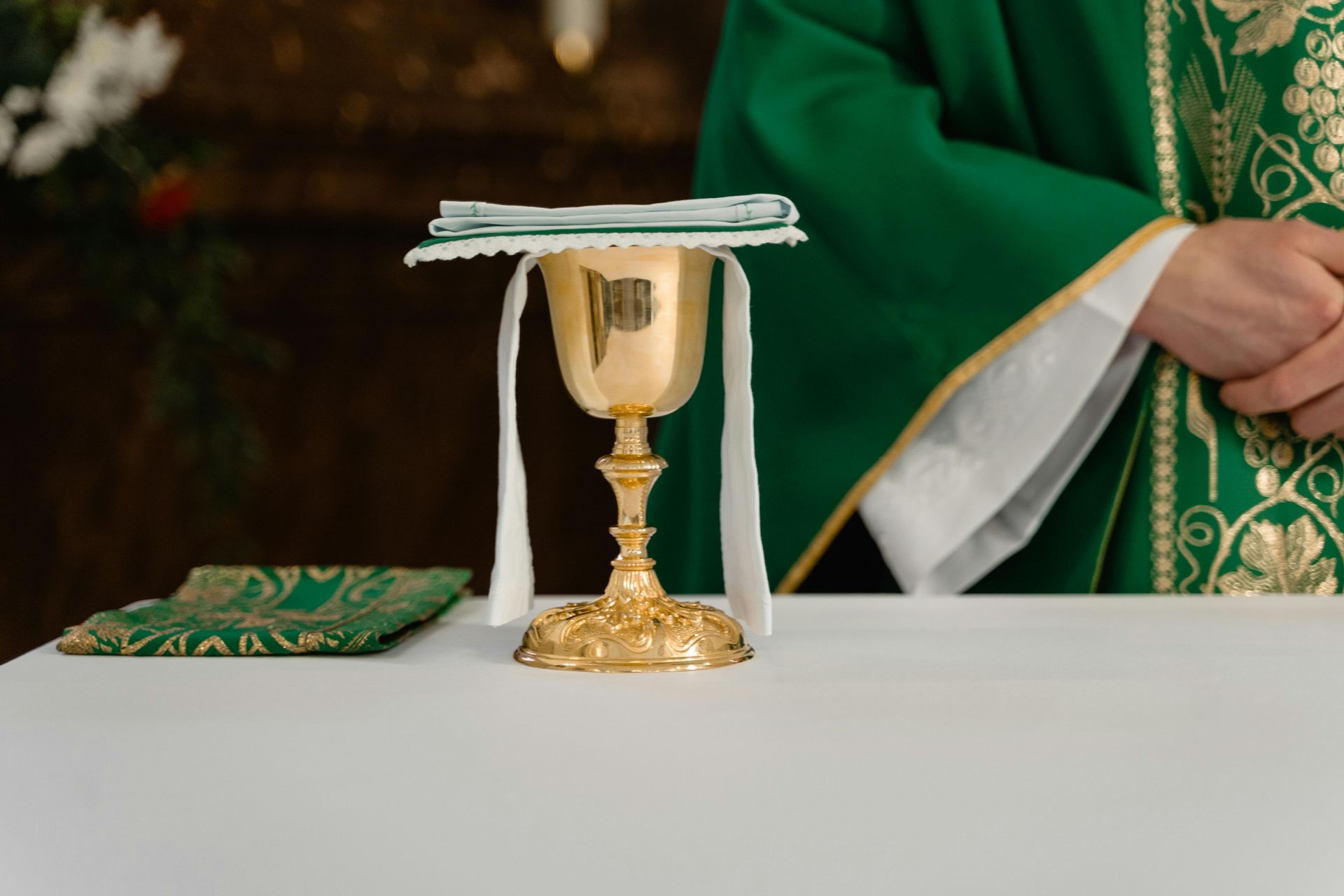
The Eucharist is the heart and the summit of the Church's life, because in it, Christ unites his Church and all her members through his sacrifice of praise and thanksgiving offered once for all on the cross to his Father. Through this sacrifice, he pours out the graces of salvation on his Body, which is the Church. The Eucharist is “the source and summit of the Christian life.” It is the essence of our faith: “Our way of thinking is attuned to the Eucharist, and the Eucharist in turn affirms our way of thinking.” All other sacraments, along with ecclesiastical ministries and works of the apostolate, are connected to the Eucharist and aim toward it. For in the blessed Eucharist is contained the entire spiritual good of the Church, namely Christ himself, our Pasch.
THE SACRAMENTS OF HEALING
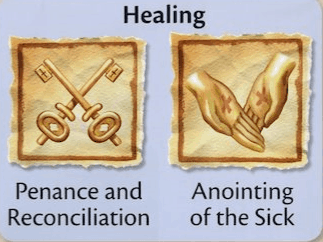
Through the sacraments of Christian initiation, man receives the new life of Christ. Now we carry this life "in earthen vessels," and it remains "hidden with Christ in God."1 We are still in our "earthly tent," subject to suffering, illness, and death. This new life as a child of God can be weakened and even lost by sin. The Lord Jesus Christ, physician of our souls and bodies, who forgave the sins of the paralytic and restored him to bodily health,3 has willed that his Church continue, in the power of the Holy Spirit, his work of healing and salvation, even among her own members. This is the purpose of the two sacraments of healing: the sacrament of Penance and the sacrament of Anointing of the Sick.
Confession, Penance, and Reconciliation: “On the evening of that day, the first day of the week, Jesus appeared to his apostles. He breathed on them and said, 'Receive the Holy Spirit. If you forgive the sins of any, they are forgiven; if you retain the sins of any, they are retained" (Jn 20:19, 22-23).
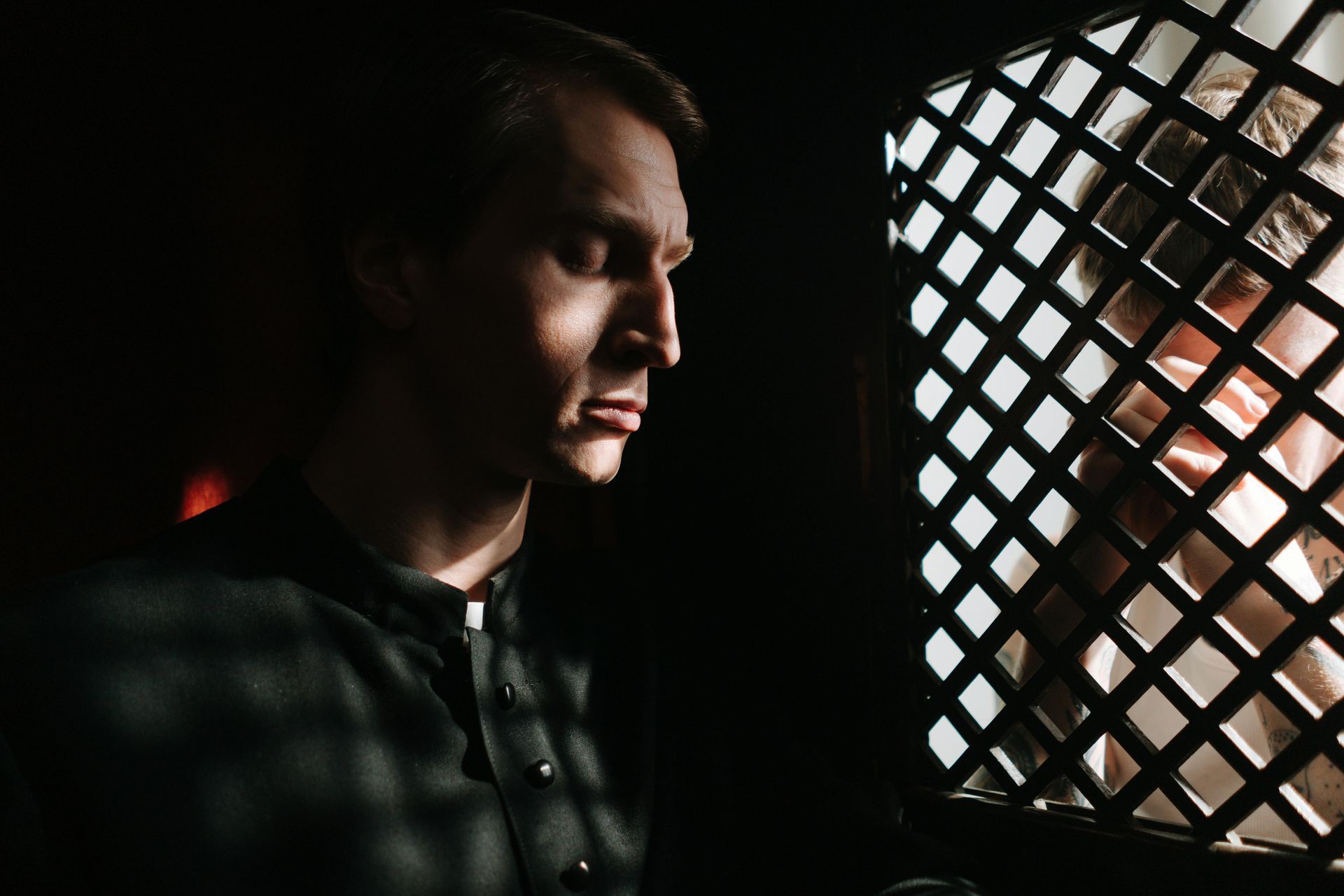
The forgiveness of sins committed after Baptism is given through a specific sacrament called the sacrament of conversion, confession, penance, or reconciliation. The sinner damages God's honor and love, his own human dignity as a person called to be a son of God, and the spiritual well-being of the Church, of which each Christian should be a living stone. To the eyes of faith, no evil is more serious than sin, and nothing has worse consequences for sinners themselves, for the Church, and for the world. Restoring communion with God after losing it through sin is a process that arises from God's grace, who is rich in mercy and eager for the salvation of mankind. We must ask for this precious gift for ourselves and others. Reconciliation, also known as Penance or sometimes Confession, is a sacrament in which individuals confess their sins to a priest to receive forgiveness and restore their relationship with God and the Church.
Anointing of the Sick: “Is anyone among you sick? Let him call the presbyters of the Church, and let them pray over him, anointing him with oil in the name of the Lord; and the prayer of faith will save the sick person, and the Lord will raise him up; and if he has committed sins, he will be forgiven” (James 5:14-15).
The sacrament of Anointing of the Sick is given to those who are seriously ill by anointing them on the forehead and hands with duly blessed oil - pressed from olives or other plants — while saying, only once: "Through this holy anointing may the Lord in his love and mercy help you with the grace of the Holy Spirit. May the Lord who frees you from sin save you and raise you up.” The purpose of the sacrament of Anointing of the Sick is to confer a special grace on Christians facing the difficulties of grave illness or old age. The proper time to receive this holy anointing is when the believer is at risk of death because of illness or old age. A Christian may receive the Anointing of the Sick whenever they fall seriously ill or if their condition worsens after already receiving it. Only priests (presbyters and bishops) can administer the sacrament of the Anointing of the Sick, using oil blessed by the bishop or, if necessary, by the presbyter himself.
THE SACRAMENTS AT THE SERVICE OF COMMUNION
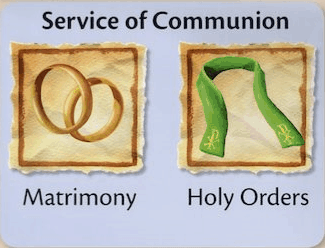
Baptism, Confirmation, and Eucharist are sacraments of Christian initiation. They establish the shared calling of all Christ's followers—a call to holiness and to the mission of spreading the Gospel. They confer the graces necessary for life, through the Spirit, during our journey as pilgrims toward our homeland. Two other sacraments, Holy Orders and Matrimony, are aimed at the salvation of others; if they also contribute to personal salvation, it is through service to others. They grant a specific mission within the Church and help to strengthen the People of God. Through these sacraments, those already anointed through Baptism and Confirmation for the common priesthood of all the faithful can receive special consecrations. Those who receive the sacrament of Holy Orders are consecrated in Christ's name "to feed the Church by the word and grace of God."2 Meanwhile, "Christian spouses are fortified and, as it were, consecrated for the duties and dignity of their state by a special sacrament.”
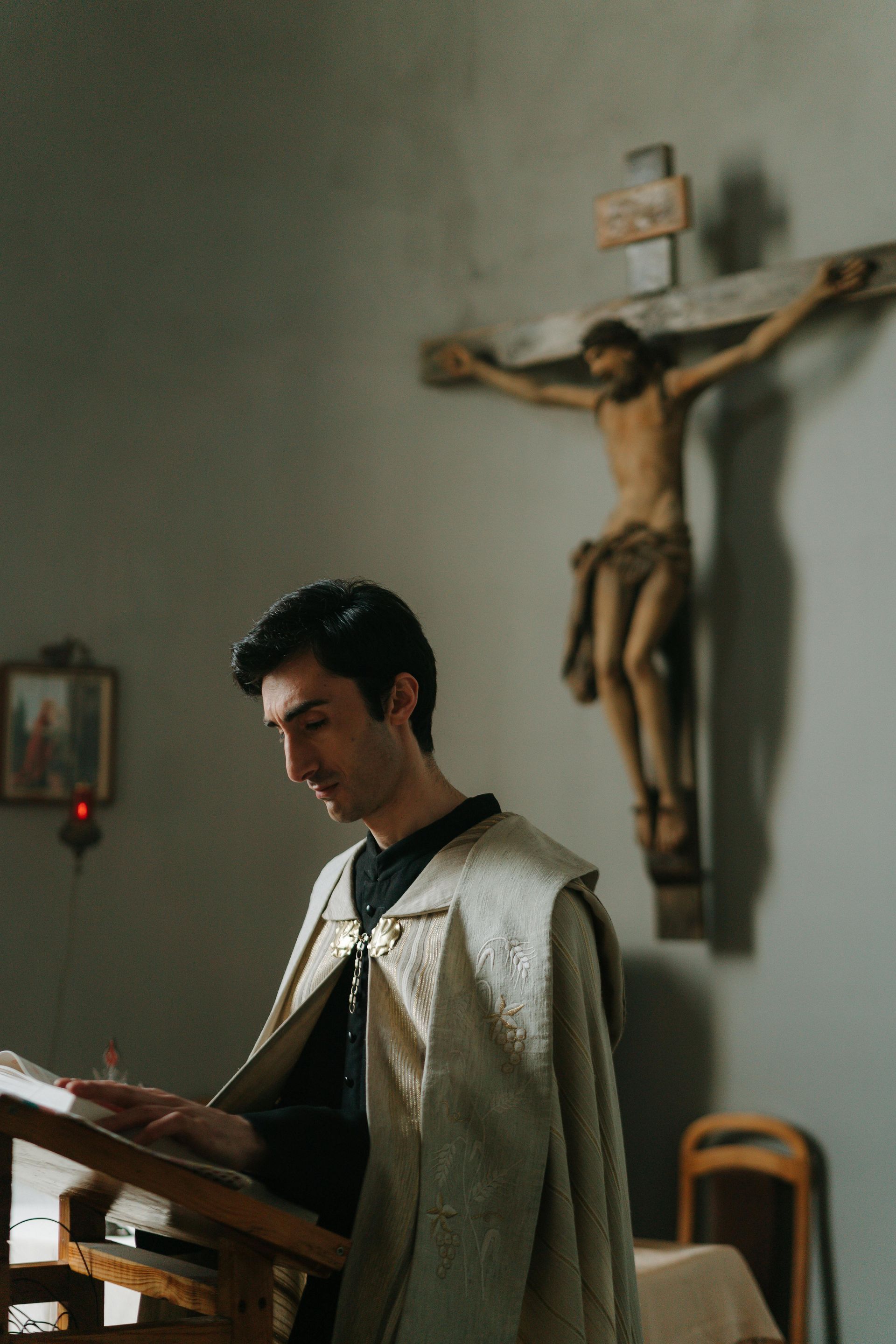
Holy Orders: St. Paul told his disciple Timothy: “I remind you to rekindle the gift of God that is within you through the laying on of my hands” (2 Timothy 1:6), and “If anyone aspires to the office of bishop, he desires a noble task.” (1 Timothy 3:1). To Titus, he said: “This is why I left you in Crete, that you may amend what was defective and appoint presbyters in every town, as I directed you” (Titus 1:5).
Holy Orders is the sacrament through which the mission entrusted by Christ to His apostles continues to be exercised in the Church until the end of time; thus, it is the sacrament of apostolic ministry. It includes three degrees: episcopate, presbyterate, and diaconate. The sacrament of Holy Orders is conferred by the laying on of hands, followed by a solemn prayer of consecration asking God to grant the ordinand the graces of the Holy Spirit required for his ministry. Ordination imprints an indelible sacramental character.
Marriage: St. Paul said: “Husbands, love your wives, as Christ loved the Church.... This is a great mystery, and I mean in reference to Christ and the Church” (Ephesians 5:25, 32).
The marriage covenant, by which a man and a woman form with each other an intimate communion of life and love, has been founded and endowed with its own special laws by the Creator. By its very nature, it is ordered to the good of the couple, as well as to the generation and education of children. Christ the Lord raised marriage between the baptized to the dignity of a sacrament.
If you need any of the sacraments, please call the parish office to speak with Fr. Marcel or visit the office in person.
God bless you!
For more information regarding the sacramental preparations please call the Parish office at 612-529-7779.